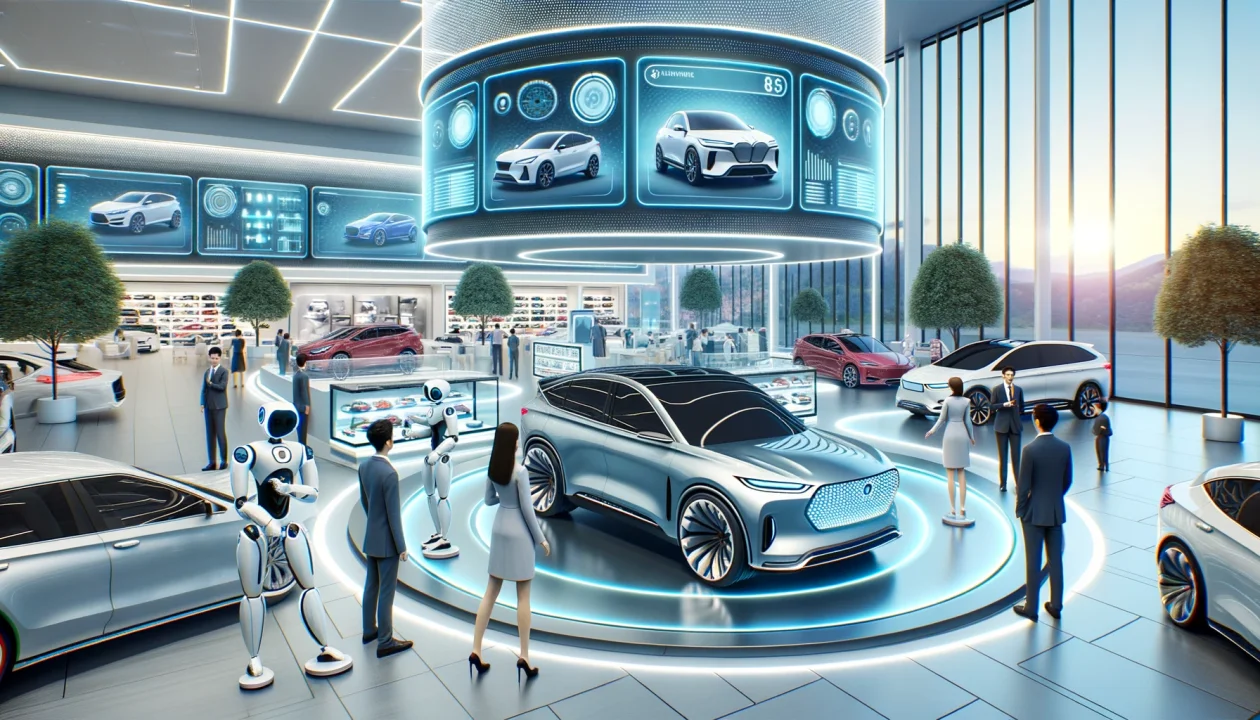
In today’s fast-paced automotive industry, technology is not just an add-on—it’s a necessity. Dealerships are finding new ways to connect with customers, streamline communication, and enhance satisfaction. Among the most transformative tools driving this change are Artificial Intelligence (AI) and chatbots. From lead generation to post-sale support, AI-driven automation is reshaping how dealerships interact with customers at every stage of their journey.
Understanding the Dealership Customer Journey
The customer journey in a dealership typically begins long before someone sets foot on the lot. It includes online research, inquiries, scheduling test drives, financing discussions, and after-sales services. Traditionally, this process relied heavily on human staff, manual follow-ups, and fragmented communication.
AI and chatbots now allow dealerships to automate many of these interactions—offering consistent, real-time, and data-driven engagement throughout the customer lifecycle.
The Role of AI and Chatbots in Modern Dealerships
AI and chatbots work together to simplify customer interactions, analyze behaviors, and provide personalized recommendations. Let’s break down how they enhance each stage of the dealership experience.
1. Lead Generation and Qualification
AI-powered chatbots on dealership websites or social platforms can engage visitors instantly. When a potential customer lands on the site, the chatbot can:
- Ask qualifying questions to understand buyer intent (e.g., “Are you looking for a new or used vehicle?”).
- Capture key details such as contact information, preferred models, and budget.
- Route the lead directly to a salesperson or CRM system.
This ensures that only high-quality leads reach the sales team—saving time and boosting conversion rates.
2. 24/7 Customer Engagement
Unlike human staff, chatbots don’t need breaks or working hours. They can handle inquiries at any time of day. Whether it’s midnight or early morning, customers can still get information about vehicle availability, pricing, financing options, or dealership services.
This constant availability creates a sense of responsiveness that enhances trust and customer satisfaction.
3. Personalized Recommendations and Follow-Ups
AI excels at analyzing data. By reviewing past interactions, browsing history, and demographic details, AI can suggest cars or services that match each customer’s preferences. For example:
- Recommending hybrid models to environmentally conscious buyers.
- Following up with maintenance reminders based on vehicle purchase dates.
- Sending personalized offers or trade-in suggestions at the right time.
This level of personalization makes customers feel understood and valued—critical for long-term loyalty.
4. Streamlined Test Drive Scheduling
Traditionally, scheduling a test drive required phone calls, manual coordination, and confirmation. AI chatbots can automate the entire process. They can check availability, book appointments, and send reminders to both customers and staff.
This automation reduces scheduling errors, improves time management, and provides a smoother, more professional customer experience.
5. Enhanced Customer Support & After-Sales Service
After a sale, maintaining engagement is vital. AI chatbots can handle service reminders, maintenance scheduling, warranty inquiries, and feedback collection. They can also guide customers through troubleshooting steps for minor issues, reducing the workload on service advisors.
By proactively reaching out with updates or reminders, dealerships stay top-of-mind and encourage repeat visits.
Benefits of AI Integration for Dealerships
Integrating AI and chatbots isn’t just about convenience—it’s a strategic move that brings measurable benefits across the dealership’s operations:
- Improved Efficiency: Routine tasks are automated, freeing sales and service staff to focus on high-value interactions.
- Consistent Customer Experience: AI ensures every visitor gets the same quick, accurate, and friendly response.
- Faster Response Times: Immediate engagement prevents potential customers from turning to competitors.
- Actionable Insights: AI tools analyze interaction data to identify buying patterns, customer preferences, and performance gaps.
- Scalability: As traffic increases, AI systems can handle multiple conversations simultaneously without additional staff.
Overcoming Challenges of AI Adoption
While AI integration offers great potential, dealerships must manage it carefully to ensure success. Common challenges include:
- Maintaining Human Touch: Over-reliance on automation can make interactions feel impersonal. A hybrid model combining AI and human support works best.
- Data Management: AI relies on accurate and secure data; dealerships must maintain robust data governance.
- Staff Training: Teams need to understand how to collaborate with AI tools and use insights effectively.
By addressing these challenges, dealerships can ensure that AI complements their human expertise rather than replacing it.
The Future of Dealership Customer Experience
AI and chatbot technology are evolving rapidly. Future developments will likely include advanced predictive analytics, voice-based assistants, and integrated CRM systems that anticipate customer needs before they even reach out. Dealerships that adopt and adapt early will set new standards for customer convenience and loyalty.
The integration of AI is not just about modernization—it’s about building smarter, more responsive, and more personalized relationships with every customer who walks through the door or clicks online.